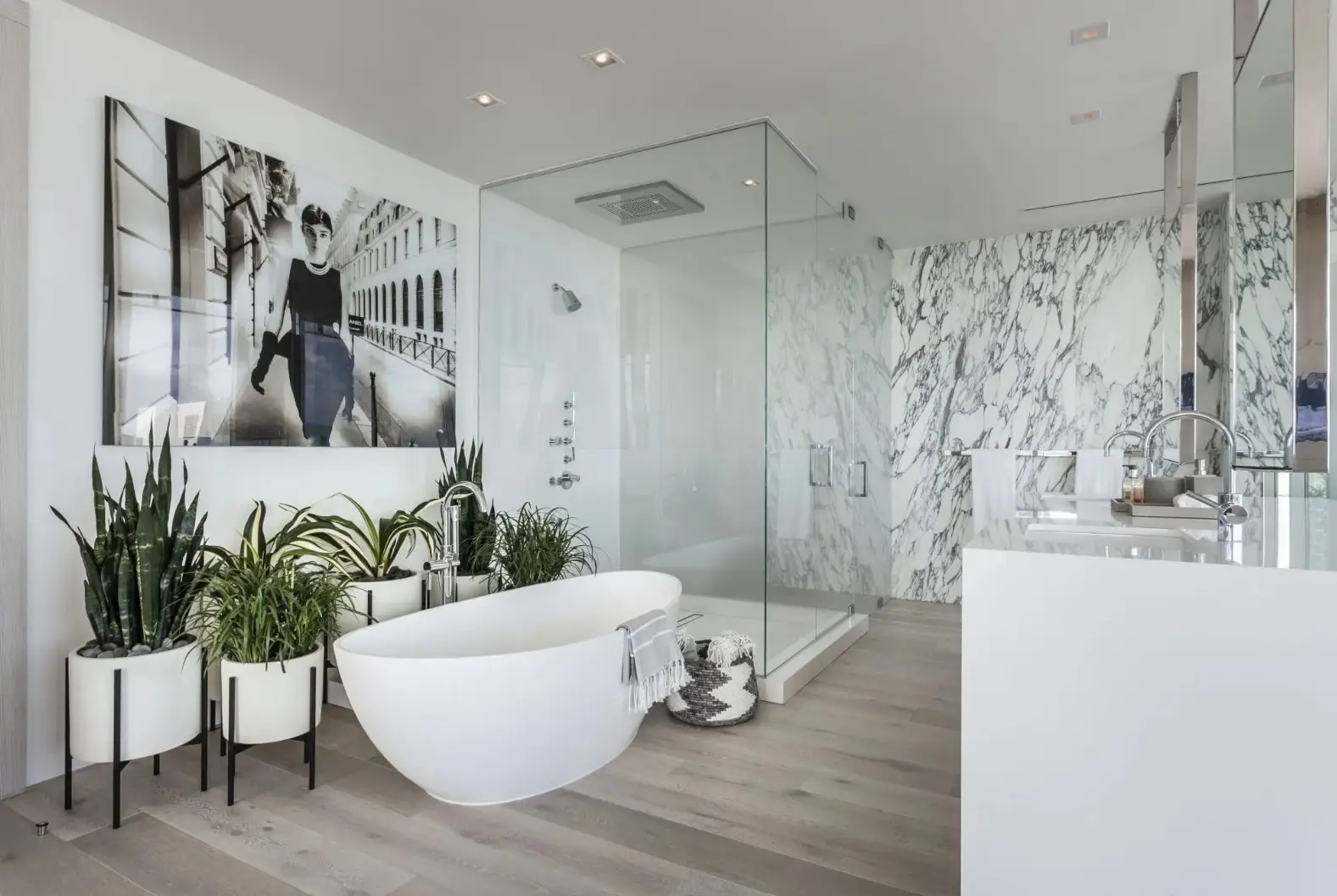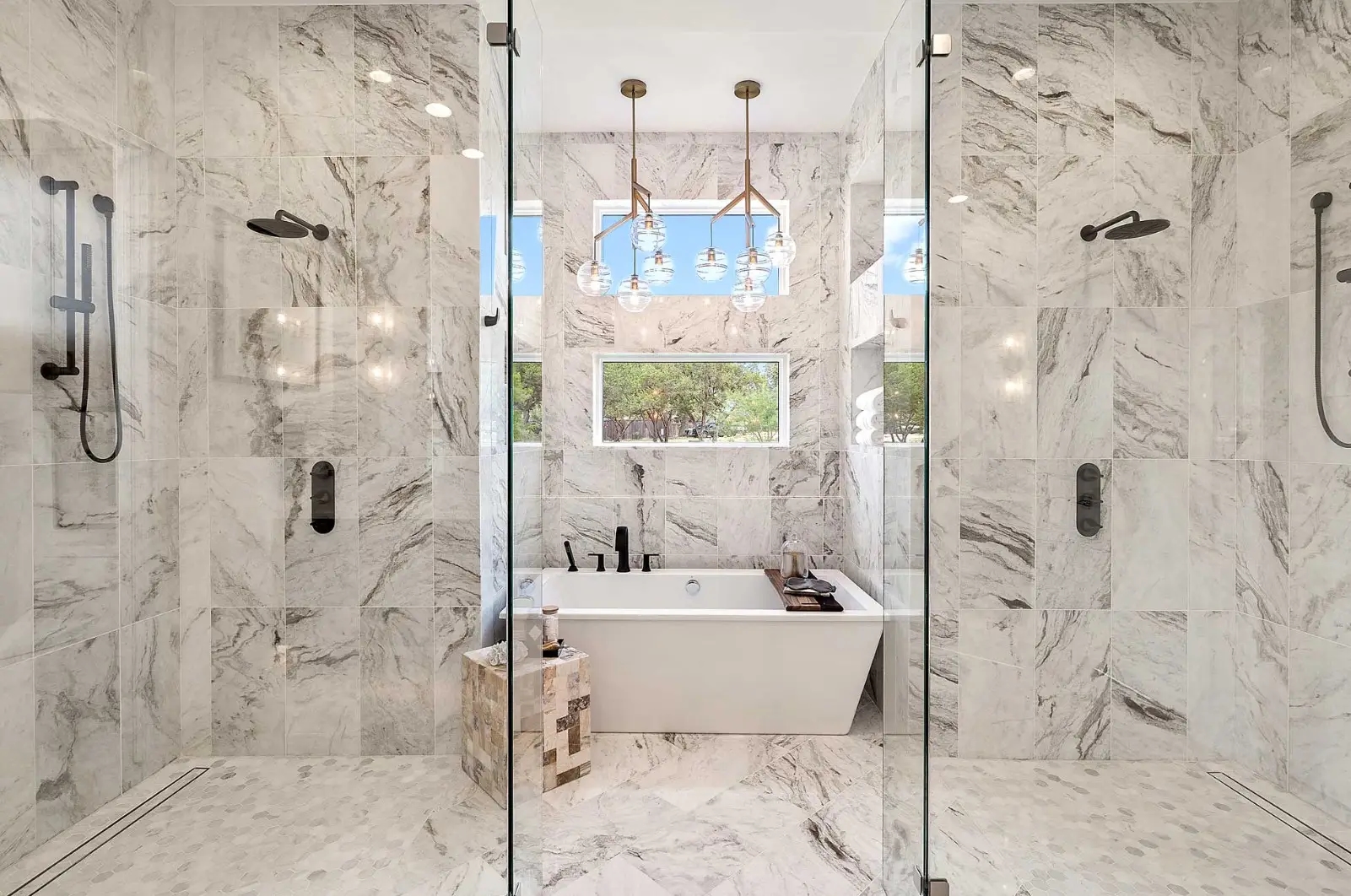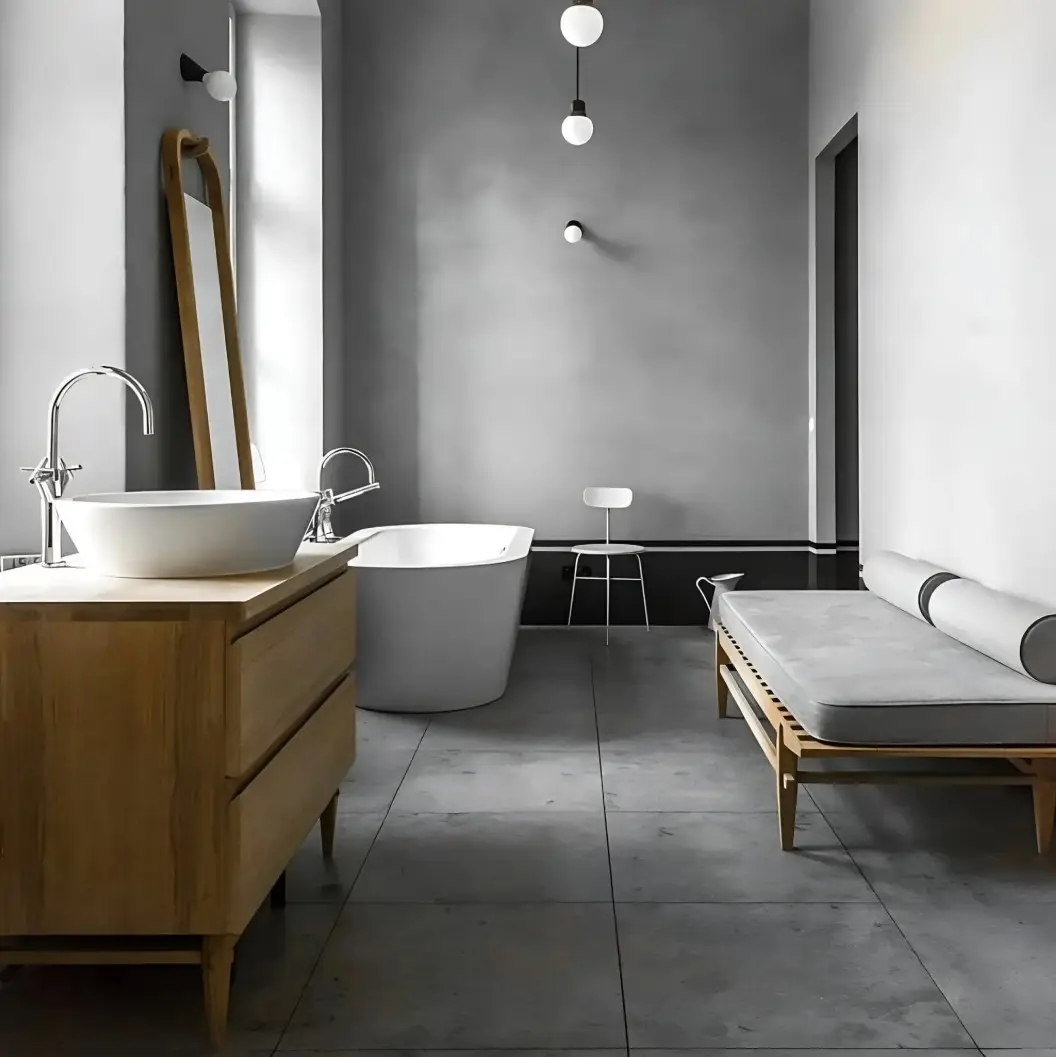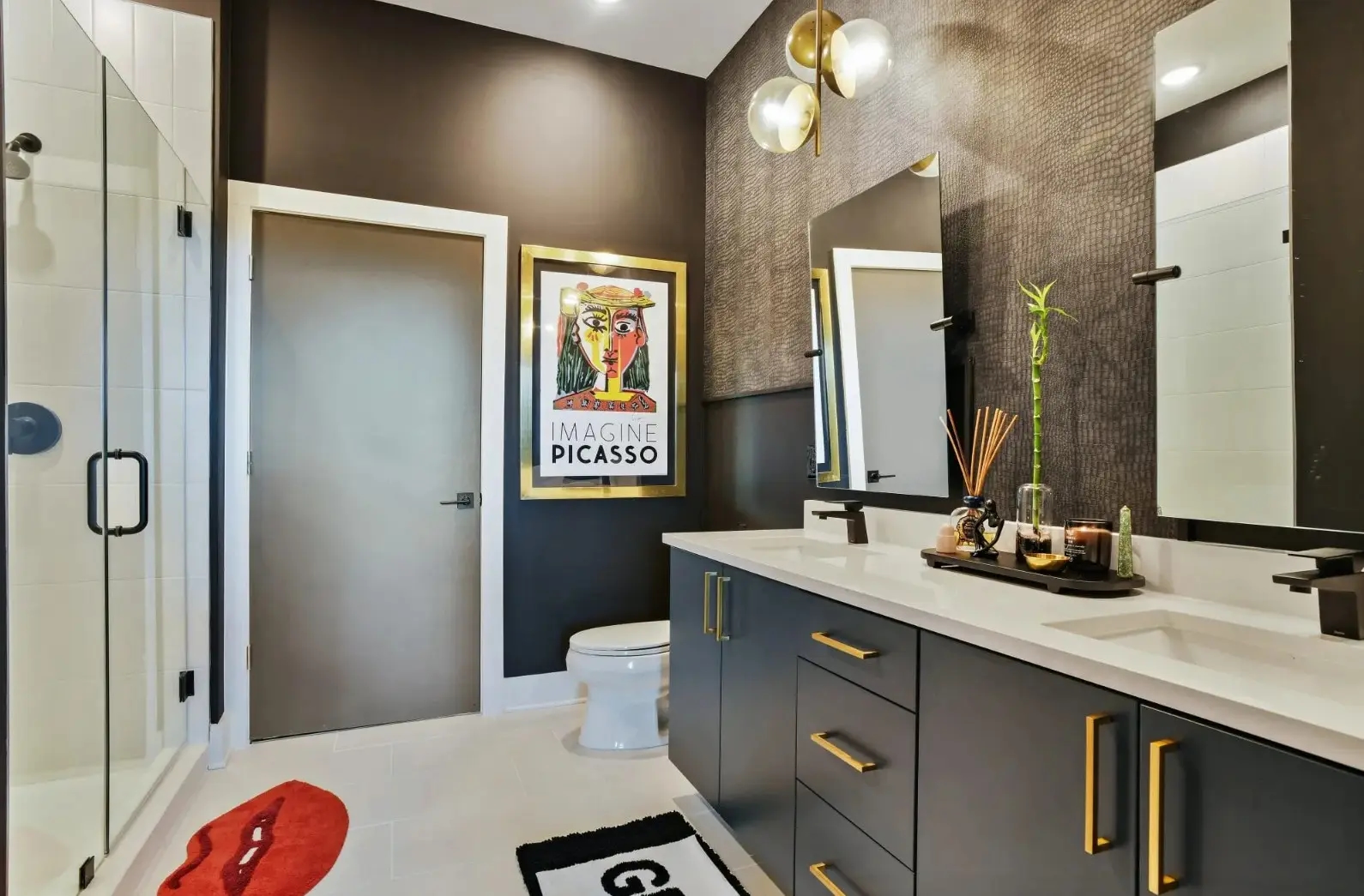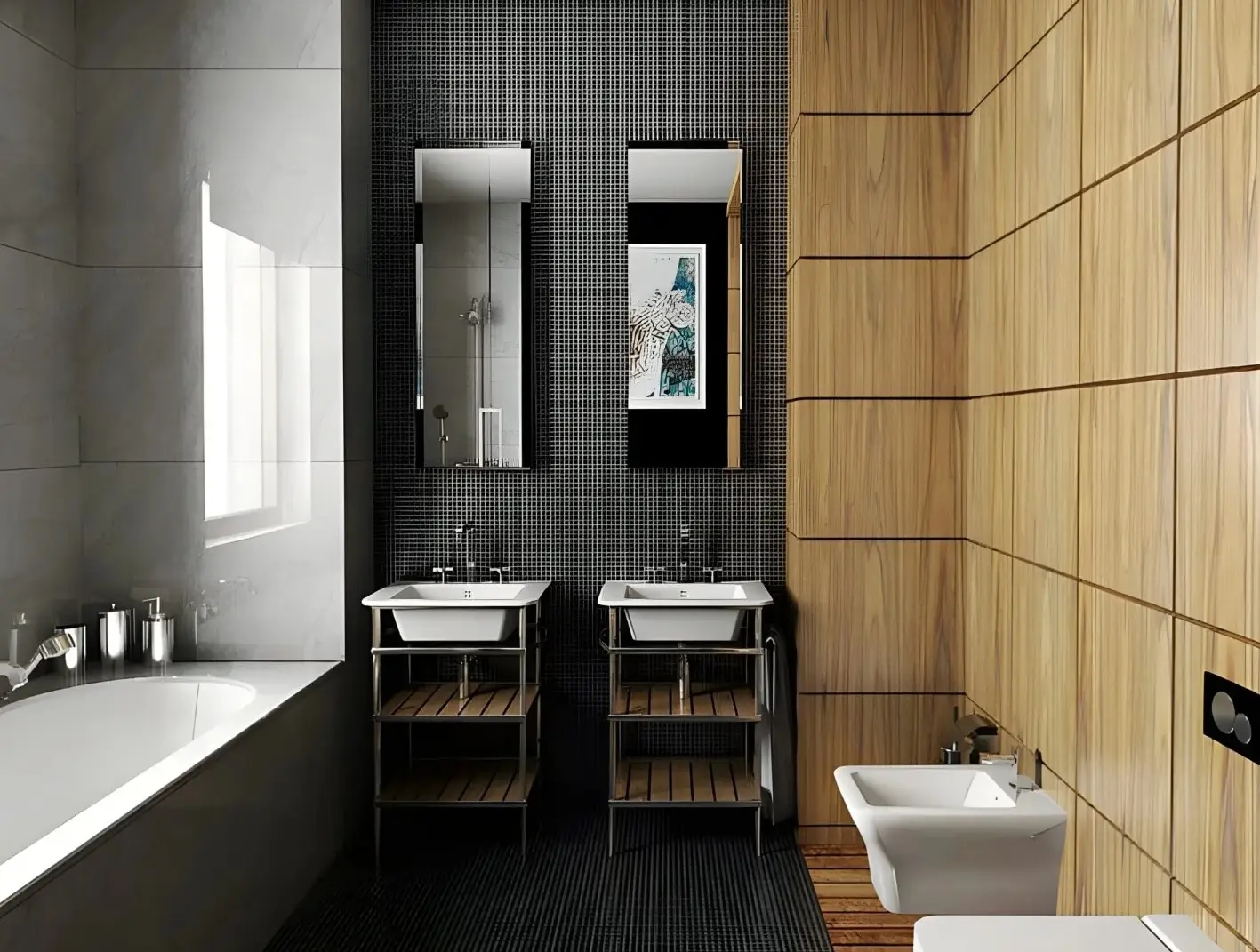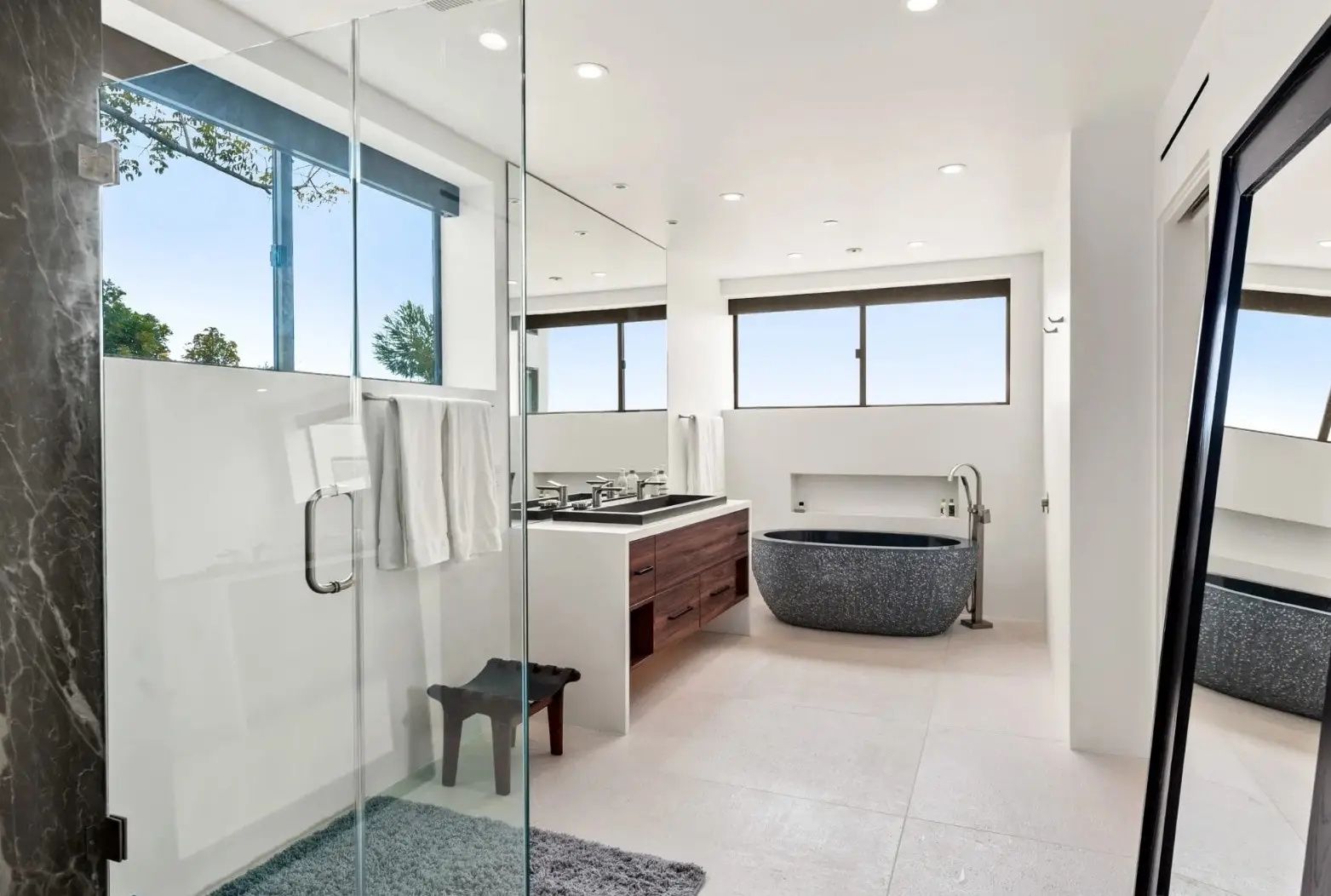
In 2026, the bathroom is no longer just a functional space and is gradually becoming a full-fledged living area, where not only practicality matters, but also atmosphere, sensations, and comfort. Modern design is moving toward a combination of luxury and convenience, but this luxury is no longer showy—it is quiet and thoughtful, reflected in the quality of materials, details, and the durability of solutions.
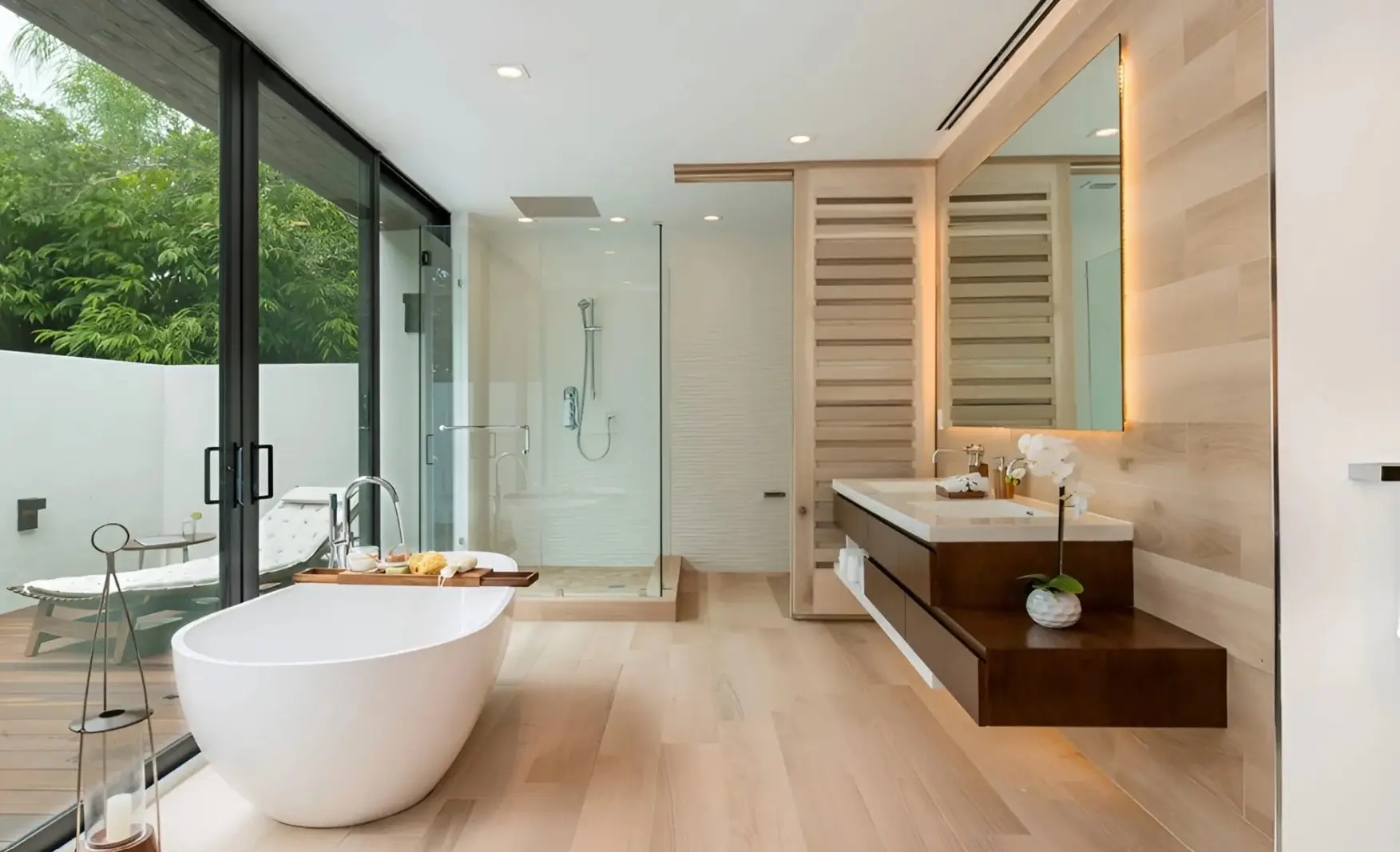
The main idea is to create an environment that is pleasant to be in. Surfaces are becoming warmer in appearance and touch: instead of cold white tiles, stone, soft-textured plaster, and natural or nature-inspired materials are used. Lighting is also changing—it is no longer harsh and technical, but soft, diffused, and homely, creating coziness and calm.
The focus is on sensations. Designers work not only with form but also with how the space is perceived by the body: cool metal, warm stone, textured surfaces that invite touch. Even water plays an important role—its movement, sound, and reflections become part of the overall atmosphere, adding a relaxing effect, as if in a spa.
Shapes in bathrooms are becoming more expressive and even sculptural. Sinks, bathtubs, and furniture look like individual design objects, with smooth or asymmetrical lines. At the same time, everything aims for cohesion: surfaces flow into one another, materials are repeated, and the space appears harmonious and thoughtfully designed down to the smallest detail.
Technology plays a special role. In 2026, it is almost invisible but significantly enhances comfort: underfloor heating, light regulation throughout the day, humidity and temperature control. All of this works together to create a stable and pleasant environment.
The color palette is also changing. Instead of cold white, warm tones dominate—beige, caramel, and natural wood shades. Deep greens inspired by nature are appearing, as well as bolder accents—mint, pink, or terracotta—that add character to the space but are used sparingly and tastefully.
Trending materials include stone, tiles, and composites, but presented in softer, flowing forms. The continuity technique is often used, where the same surface transitions from wall to floor or furniture, creating a sense of a unified space without sharp boundaries. Tactile elements are added as well: textiles, rugs, and finishes—all should feel pleasant to the touch and maintain their quality over time.
At the same time, some solutions are gradually becoming outdated. Fully white “sterile” bathrooms, overly minimalist interiors without storage space, standard subway tiles on all walls, and open shelves that do not account for moisture are losing relevance. Even uniform bright lighting without zoning is becoming less common.
In summary, the bathroom of 2026 is a space where aesthetics, technology, and self-care come together. It is no longer just a place for daily routines but an environment that helps you restore, relax, and feel comfort in every detail.